
June 24, 2026 · 3 min read
Tempered, laminated and insulated glass: which one your project needs
A clear guide to the three processed glass types most specified in facade and fenestration work, with the applications where each is mandatory or advisable.
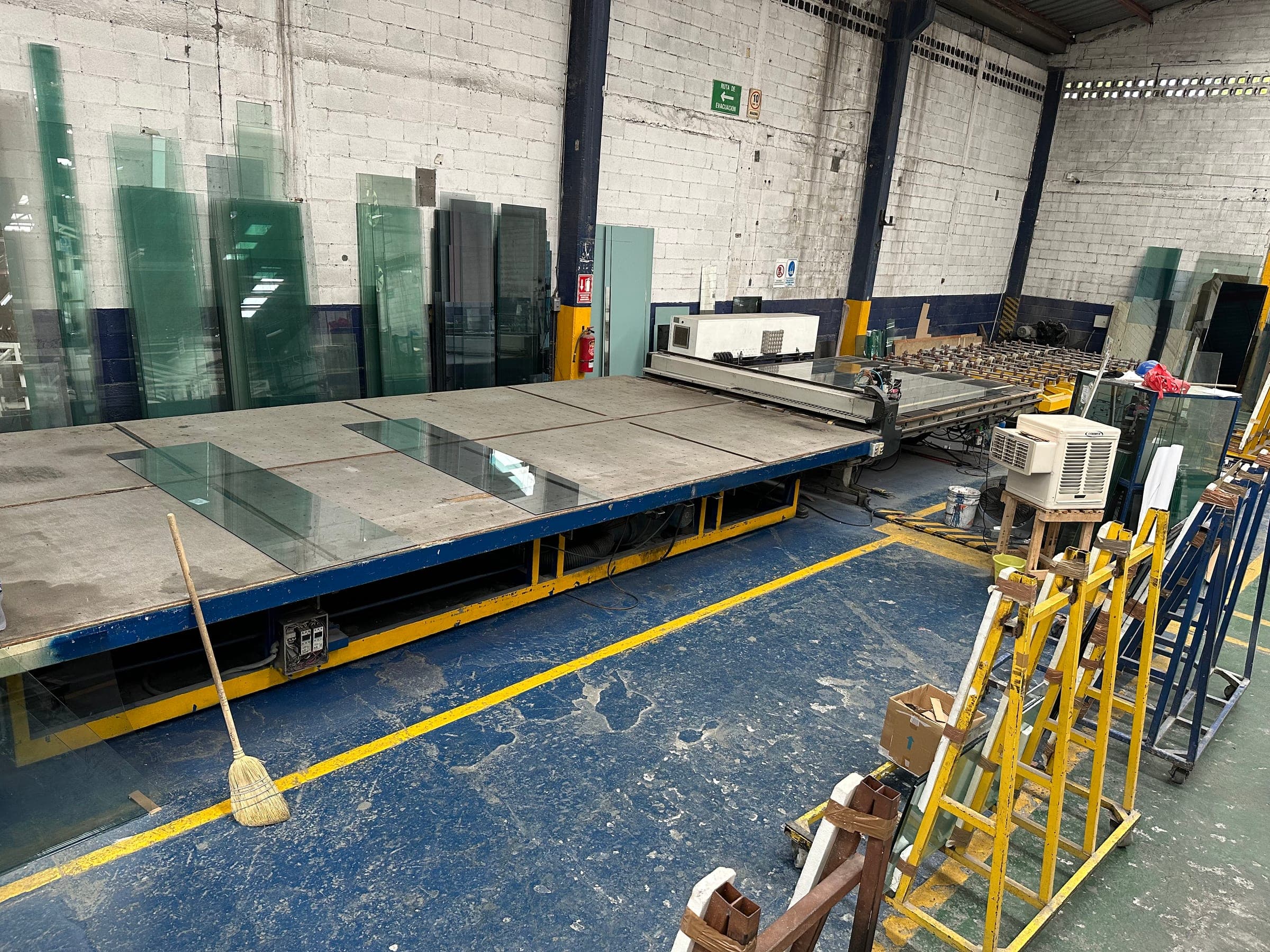
Tempered, laminated and insulated are not three quality tiers of the same product. They are three different processes that solve different problems, and they are frequently combined in the same pane.
Tempered: strength and safe breakage
The glass is heated above 600 °C and cooled rapidly. That leaves the surface in compression and the core in tension, which multiplies mechanical and thermal-shock resistance compared with annealed glass of the same thickness.
What matters is not only that it withstands more, but how it breaks: into small blunt-edged fragments rather than long cutting shards. That is why it is called safety glass.
Where it is mandatory or clearly advisable:
- Shower enclosures and screens
- Glass doors and panels at floor level
- Balustrades and railings
- Facades and curtain wall
Tempered glass cannot be cut, drilled or edged after processing. All machining happens before it enters the furnace, so dimensions and holes must be final before fabrication.
Laminated: retention after breakage
Two or more glass sheets bonded by an interlayer of polyvinyl butyral (PVB). When the glass breaks, the fragments stay bonded to the interlayer and the pane stays in place.
That is the critical difference from tempered: broken tempered glass disintegrates and leaves the opening clear; broken laminated glass is still a barrier.
Where it is the right choice:
- Balustrades at height, where losing a pane is unacceptable
- Skylights and glass roofs, because breakage happens over people's heads
- Facades exposed to impact, or where intrusion resistance is wanted
- Windows where acoustic insulation is a priority, because the PVB damps sound
It also filters practically all ultraviolet radiation, which protects floors and furniture from fading.
Insulated: thermal and acoustic control
Two or three sheets separated by an air or gas cavity, with a desiccant spacer and a dual perimeter seal. The cavity is the insulator: the glass itself contributes little.
It reduces heat transfer substantially and, with sheets of differing thickness, improves acoustic behaviour too. It is what stops a large picture window turning the living room into a greenhouse.
Where it matters most:
- West and south elevations, where solar load is high
- Spaces that are climate-controlled most of the year
- Bedrooms facing a busy road
- Any project where the running cost of air conditioning is a criterion
They combine — you do not choose between them
In practice, nearly everything we fabricate for facades is a combination:
| Application | Usual specification |
|---|---|
| Living-room window, west elevation | Insulated, tempered outer leaf, solar control |
| Balcony balustrade | Laminated, or tempered-laminated under high wind load |
| Shower enclosure | 10 mm tempered |
| Tower curtain wall | Insulated with a tempered outer leaf |
| Skylight or roof glazing | Laminated, mandatory |
| Bedroom facing a road | Insulated with a laminated inner leaf |
About solar control
Solar control is not a glass type, it is a coating applied to the glass. It reduces radiant heat gain without darkening the room as much as a tint does. On a west elevation in north-east Mexico it noticeably changes how the room feels in the afternoon.
It combines with any of the three processes above.
How we handle it
We temper and insulate at our own plant in Santa Catarina, with SGCC certification for tempered glass. Having the process under the same roof as profile fabrication lets us adjust dimensions without depending on a third party's schedule, which on site is what matters most.
If you are unsure what to specify, send us the schedule of openings with their orientation and we will come back with a recommendation line by line.