
August 18, 2026 · 4 min read
Aluminium or vinyl: choosing the right window for your project
A practical comparison of aluminium and vinyl (uPVC) fenestration for north-east Mexico: insulation, maintenance, maximum spans and long-term cost.
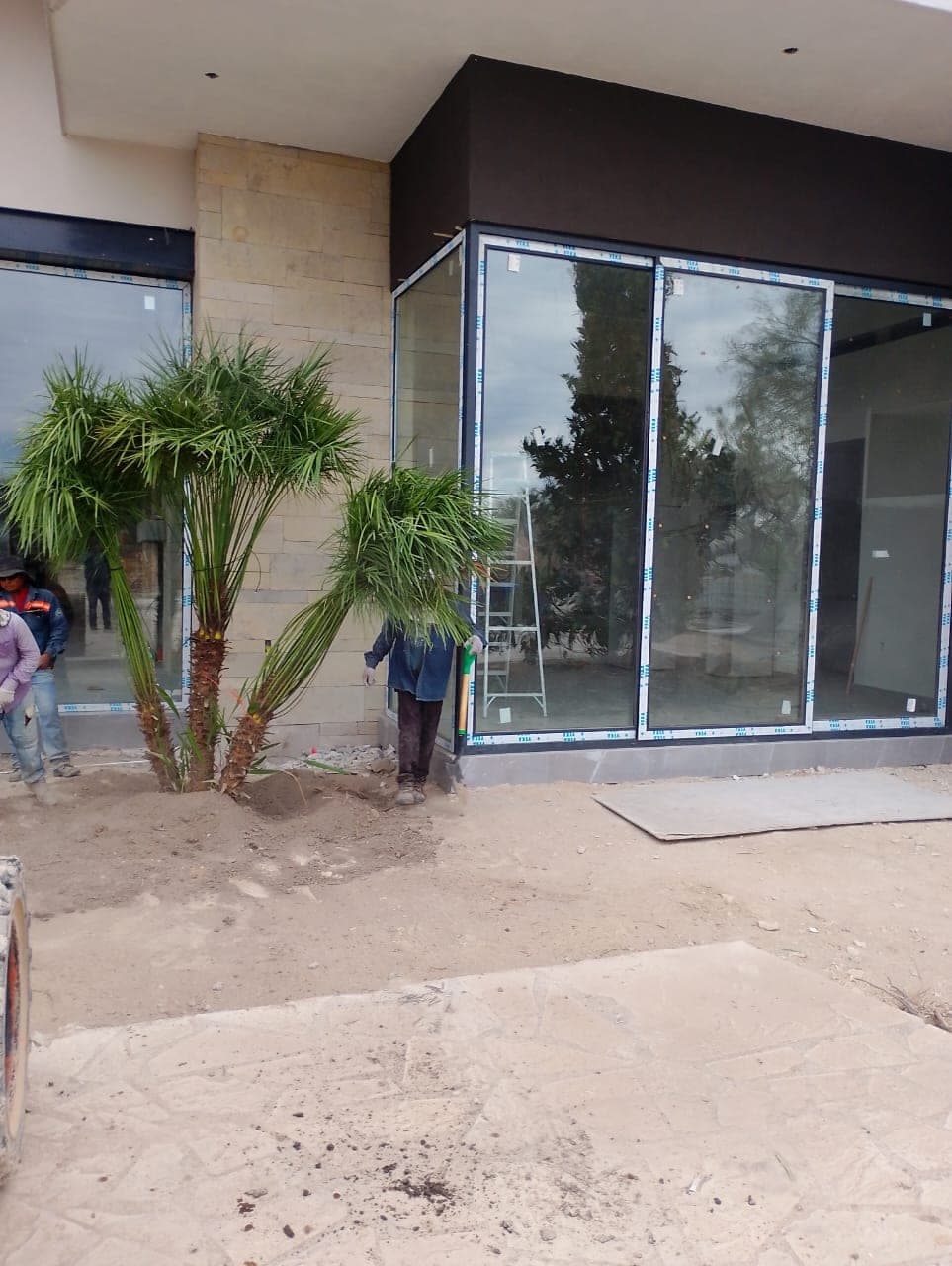
It is the first question almost every client asks, and it almost always arrives framed as though one material simply wins. It does not. Aluminium and vinyl solve different problems, and the right answer depends on three things: the orientation of the elevation, the span you need to cover, and how much the air-conditioning bill matters to you.
The real difference is conductivity
Aluminium conducts heat very readily. uPVC barely conducts it at all. That single fact explains ninety per cent of the differences between the two materials.
An untreated aluminium frame transmits heat from outside to inside with little resistance. That is why thermally broken profiles exist: a polyamide barrier separates the outer face from the inner one and interrupts the bridge. Thermally broken aluminium comes close to vinyl performance, but it costs more than conventional aluminium.
Vinyl arrives insulated from the factory. The profile is hollow and divided into chambers — five in a 70 mm system, six or seven in an 82 mm one — and each chamber is a layer of still air that slows heat transfer.
If your home runs air conditioning most of the year, the frame matters as much as the glass. Insulated glazing set into an aluminium frame with no thermal break wastes a good part of what you paid for the glass.
Where aluminium wins
Large spans. Aluminium is structurally stiffer, so a three-metre sliding panel is resolved with a far slimmer frame section. In vinyl the same panel needs internal steel reinforcement and a heavier profile, and it shows.
Minimal sightlines. When the design asks for the frame to almost disappear, aluminium is the only route. European minimalist systems reach sightlines uPVC cannot match.
Height. On a tower, wind loading on the upper floors demands stiffness. All of our high-rise facade work is aluminium, without exception.
Monumental doors. A three-metre, two-hundred-kilo entrance door needs an aluminium frame with internal reinforcement.
Where vinyl wins
Thermal and acoustic insulation. With the same glass, a multi-chamber uPVC frame beats conventional aluminium by a wide margin, and thermally broken aluminium by a smaller but real one.
Bedrooms facing a busy road. This is the application we recommend it for most. The combination of multi-chamber profile, continuous perimeter gasket and double glazing cuts traffic noise noticeably from the first day.
Maintenance. uPVC does not need painting and does not corrode. It washes with soap and water. In coastal or saline environments that difference compounds over the years.
No frame condensation. In cold weather with a heated interior, an aluminium frame without a thermal break will condense. Vinyl will not.
A table for deciding quickly
| Criterion | Aluminium | Thermally broken aluminium | Vinyl (uPVC) |
|---|---|---|---|
| Thermal insulation | Low | Good | Very good |
| Acoustic insulation | Medium | Good | Very good |
| Maximum span per panel | Very high | High | Medium |
| Sightline | Minimal | Slim | Heavy |
| Maintenance | Low | Low | Very low |
| Use at height | Yes | Yes | Limited |
| Initial cost | Low | Medium-high | Medium-high |
What we usually do: combine them
In high-end residential work the usual approach is not to pick one, but to assign each material where it performs best. Aluminium on the main elevation, where the opening is large and the frame should disappear. Vinyl in bedrooms and on the west and south elevations, where insulation matters more than the look of the frame.
We did exactly that at Residencia Valle San Ángel: aluminium at the front, multi-chamber vinyl in the sleeping areas.
The glass decides as much as the frame
Worth repeating, because it is the most common mistake. An excellent frame with plain 6 mm glass performs poorly. The combination that actually works is an insulating frame plus insulated glazing, and on a west elevation, with a solar-control coating.
If you want to review which combination suits your project, send us the orientation of the elevations and the approximate opening sizes. That is enough for us to recommend a specific line.