
November 17, 2026 · 10 min read
Windows and doors for a house: aluminum or vinyl, room by room
Aluminum or vinyl windows for your house: the pros and cons of each material in the living room, bedrooms, kitchen, bathroom, terrace and double-height spaces, with drawings of real series.
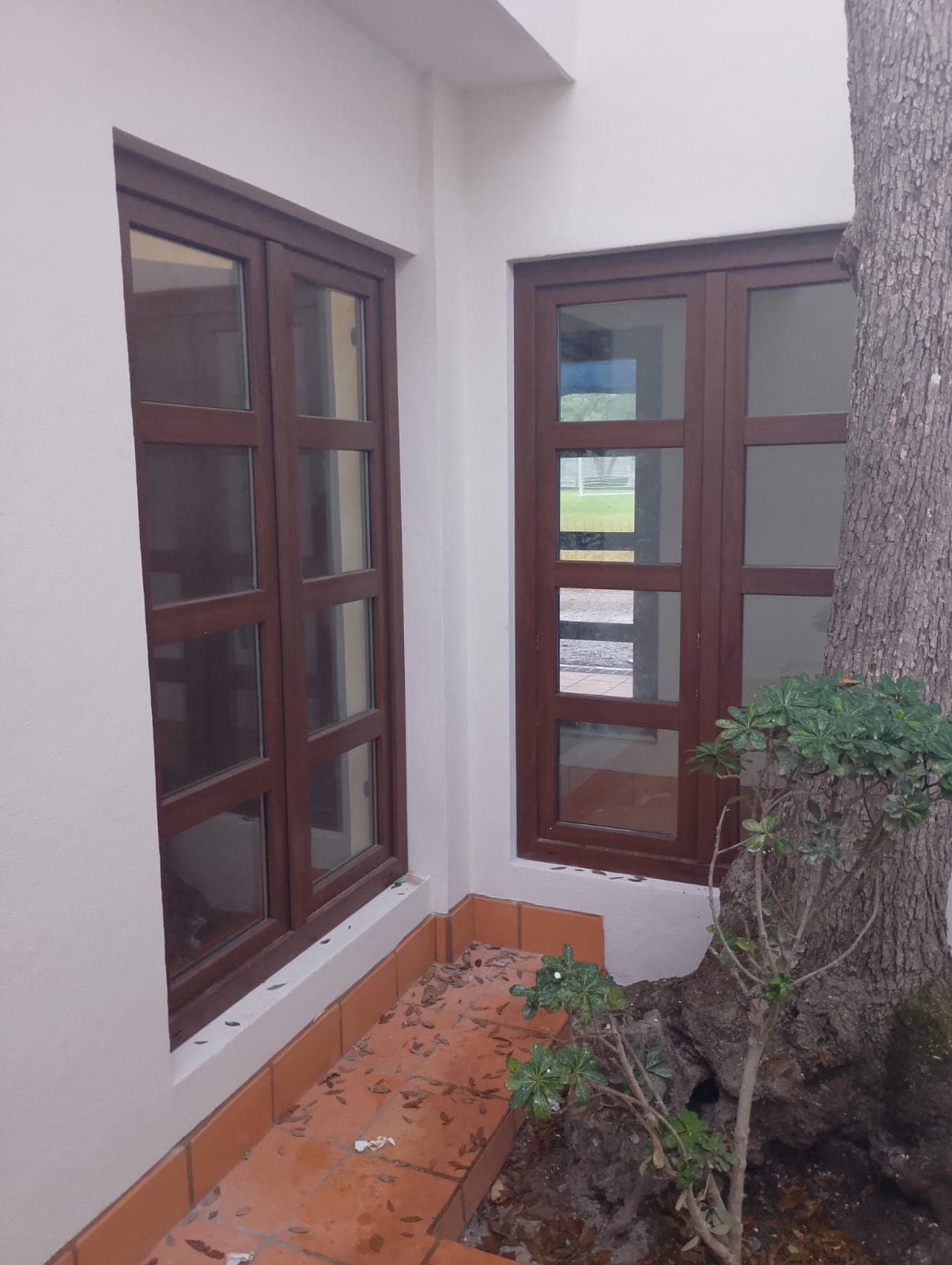
One of the first decisions when building or remodeling a house is the material for the windows and doors: aluminum or vinyl? It is a decision for the whole house. Windows, doors and fixed lites are seen together from the street and from inside, and a house with two materials looks patchy.
The trouble is that the question is usually answered in the abstract, with a table of pros and cons. This guide answers it by walking through the house: what each material gains and loses in the living room, the bedroom, the kitchen, the bathroom, the terrace and the stairs. That way you can see where each difference matters most in your house and decide on that basis.
For the technical comparison behind it, conductivity and U-values, see aluminum vs vinyl windows.
What the job includes
In Mexico the trade calls it cancelería: everything that closes an opening with a frame and glass.
- Windows: sliding, casement, awning, tilt-and-turn and fixed.
- Doors: sliding, hinged, folding and lift-and-slide, to a terrace or garden.
- Shower enclosures: aluminum-framed or frameless tempered glass with hardware.
- Large fixed lites: double-height spaces, stairwells, shop fronts.
- Glass railings, skylights and insect screens.
Choosing a material means choosing it for almost all of that. The exception is the shower enclosure, which isn't made in vinyl: in a vinyl house, the enclosure is still aluminum or frameless glass.
Aluminum and vinyl in a house: what you actually notice
There is a lot of technical writing about both materials. In a house, these are the differences an owner actually notices:
| Aluminum | Vinyl | |
|---|---|---|
| Frame width | Slim, more glass on view | Wider, especially on fixed lites and sliding windows |
| Frame insulation | Low, unless it has a thermal break | High from the start |
| Large openings | Stiff without reinforcement | Steel reinforcement inside the profile |
| Colors | Any paint color or anodized finish | White, plus foils (wood grain, gray, black) |
| Upkeep | Wash with soap and water; the paint lasts decades | Wash with soap and water; cannot be repainted |
| Air-tightness | Depends on the series and opening type | Gaskets on every opening type, sliders included |
On cost: standard Mexican aluminum (the traditional 2" and 3" series) is the cheapest option. European-system vinyl and thermal break aluminum sit in a similar range, above it. Between a good aluminum series without a thermal break and vinyl, the difference depends a lot on opening sizes and glass.
The same piece in both materials
Tables compare materials in general. To show the real difference, we drew four pieces almost every house needs in Snoosna, our quoting tool, each in an aluplast vinyl series and its Extrusiones Metálicas aluminum equivalent, at the same size. The sections come from each maker's actual profiles and are at the same scale.
The same piece in vinyl and in aluminum · drawn in Snoosna
Vinyl
aluplast Corredera 96
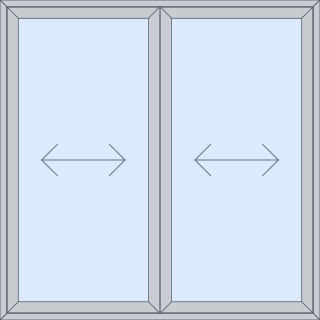
- Frame depth
- 96 mm (3.8 in)
- Visible profile at the jamb
- 131 mm (5.2 in)
- Meeting stile
- 97 mm (3.8 in)
- Glass drawn
- 24 mm
- Model's maximum size
- 3.2 × 3 m
Aluminum
Extrusiones Series 10000
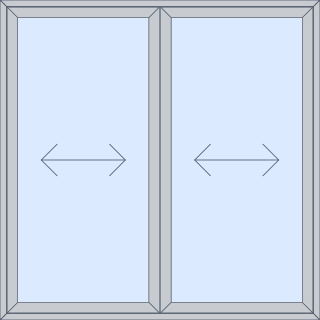
- Frame depth
- 100 mm (3.9 in)
- Visible profile at the jamb
- 128 mm (5.0 in)
- Meeting stile
- 101 mm (4.0 in)
- Glass drawn
- 24 mm
- Model's maximum size
- 2.8 × 2.8 m
Horizontal section, same scale · Drawn at 2.4 × 2.4 m
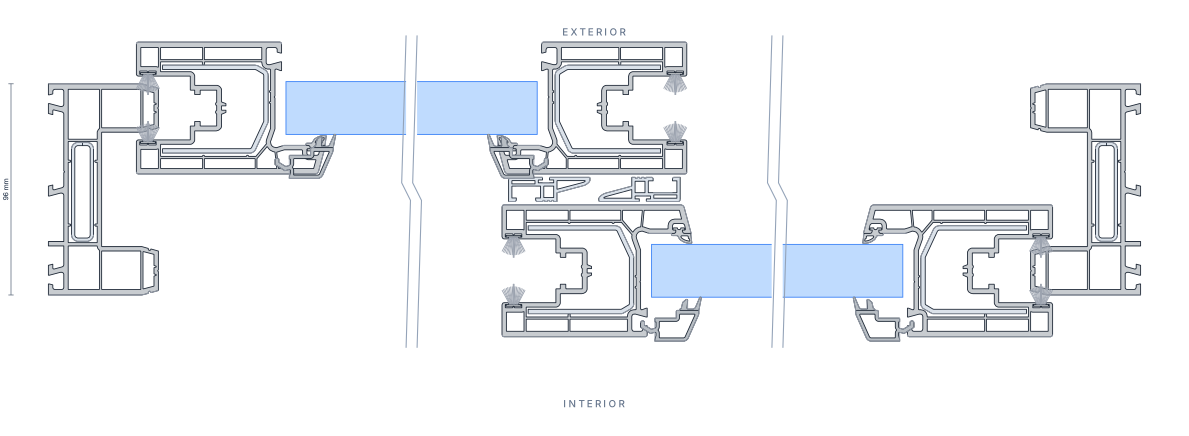
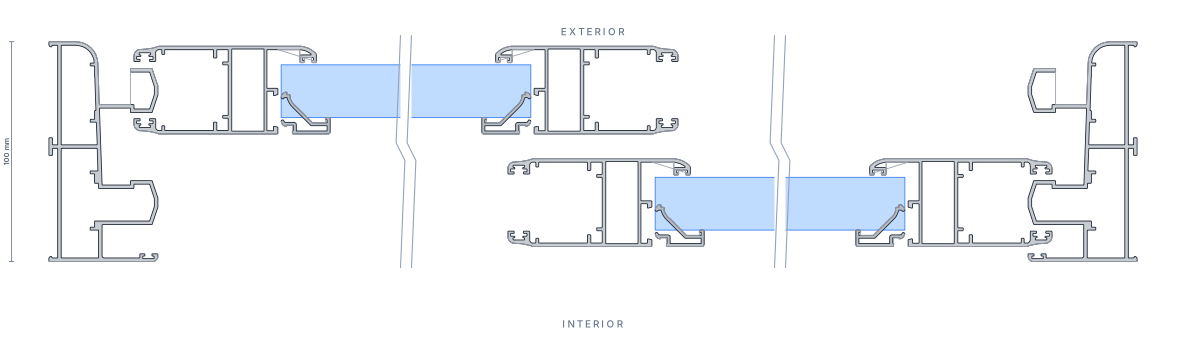
What the drawings show:
- Sliding door (Corredera 96 vs Series 10000): with the same double glazing, the visible profile is almost the same. The difference is inside: the vinyl insulates and carries steel; the aluminum conducts.
- Large fixed lite (Ideal 2000 vs 10000 fixed): aluminum shows more glass. The vinyl frame is about 20 mm (¾") wider on each side.
- Small fixed lite (Ideal 2000 vs 4600 fixed): in a 1 × 1 m (3 × 3 ft) opening the frame takes a bigger share, so the width difference shows more.
- Sliding window (Corredera 60 vs Series 4600): the vinyl is wider and more airtight; the 4600 is slim and economical, with single glass.
Room by room
Tap each room on the plan to see what each material gains and loses there.
Aluminum and vinyl in each room
Tap a room on the plan
Living and dining
What goes here: Picture window: large slider, or fixed lite with slider
Aluminum
- For: Slimmer profile on fixed lites and windows: more glass on show
- For: Any paint or anodized color, even black on a west wall
- Against: Without a thermal break, the frame lets afternoon heat through
- Against: Sliders seal with brush: some air and noise get through
Vinyl
- For: The frame insulates as standard, with no thermal break to pay for
- For: Sliders come with gaskets and double glazing as standard
- Against: Wider profile, especially on sliders and fixed lites
- Against: Dark foils in full sun heat up; makers restrict their use
Living and dining
The largest and most visible window in the house.
- In aluminum: slim profiles, more glass on view and the exact color of the project. Without a thermal break, the frame lets afternoon heat through and the slider seals with brush weatherstrip.
- In vinyl: the frame insulates as standard and the slider has gaskets. In exchange, the profile is wider and colors are foils.
Either way, if the living room faces west, the glass matters more than the frame. A single clear pane facing the afternoon sun turns the room into an oven. Double glazing with a solar-control low-E coating cuts most of that heat without darkening the view.
Bedrooms
The main bedroom is where noise and night-time temperature matter most, and where a poor window is most noticeable.
Here the opening type matters more than the material. A slider seals with brush weatherstrip: the sashes have to slide, so some air always gets past. A casement or tilt-and-turn closes against compression gaskets, like a refrigerator door. You can hear that difference in a bedroom facing the street, and see it on the cooling bill.
- In vinyl: the tilt-and-turn with gaskets is the standard window, and it insulates with no extras.
- In aluminum: you get the same with a thermal break casement or tilt-and-turn. An aluminum slider with no thermal break is the weakest combination for sleeping next to a busy road.
If the bedroom has to have a slider, ask for double weatherstrip and a good interlock, and consider laminated glass if there is traffic outside.
Kitchen
It opens every day and gets steam and grease. The opening that works best is an awning: it ventilates even in the rain and doesn't take space over the sink.
- In aluminum: powder coating stands up to daily cleaning. Without a thermal break, steam condenses on the frame on cold mornings.
- In vinyl: the frame stays warm, so it hardly condenses, and it doesn't corrode. It is not ideal right next to a direct heat source.
If the window is next to the cooktop, the glass must be tempered.
Bathroom: window and shower enclosure
The bathroom window is usually an awning, with satin-etched or frosted glass for privacy. Constant humidity punishes any frame.
- In aluminum: use anodized or quality powder-coated aluminum with stainless steel hardware. Without a thermal break, shower steam runs down the frame.
- In vinyl: humidity does nothing to the profile and the warm frame condenses less.
The shower enclosure follows its own logic, and it is the same in an aluminum or a vinyl house:
- Aluminum-framed: the most economical. Sliding or hinged, with 6 mm (¼") tempered glass.
- Frameless tempered glass with hardware: 9–10 mm (⅜") glass, stainless hinges and pulls. Easier to clean, because there are no frames for scale to build up in.
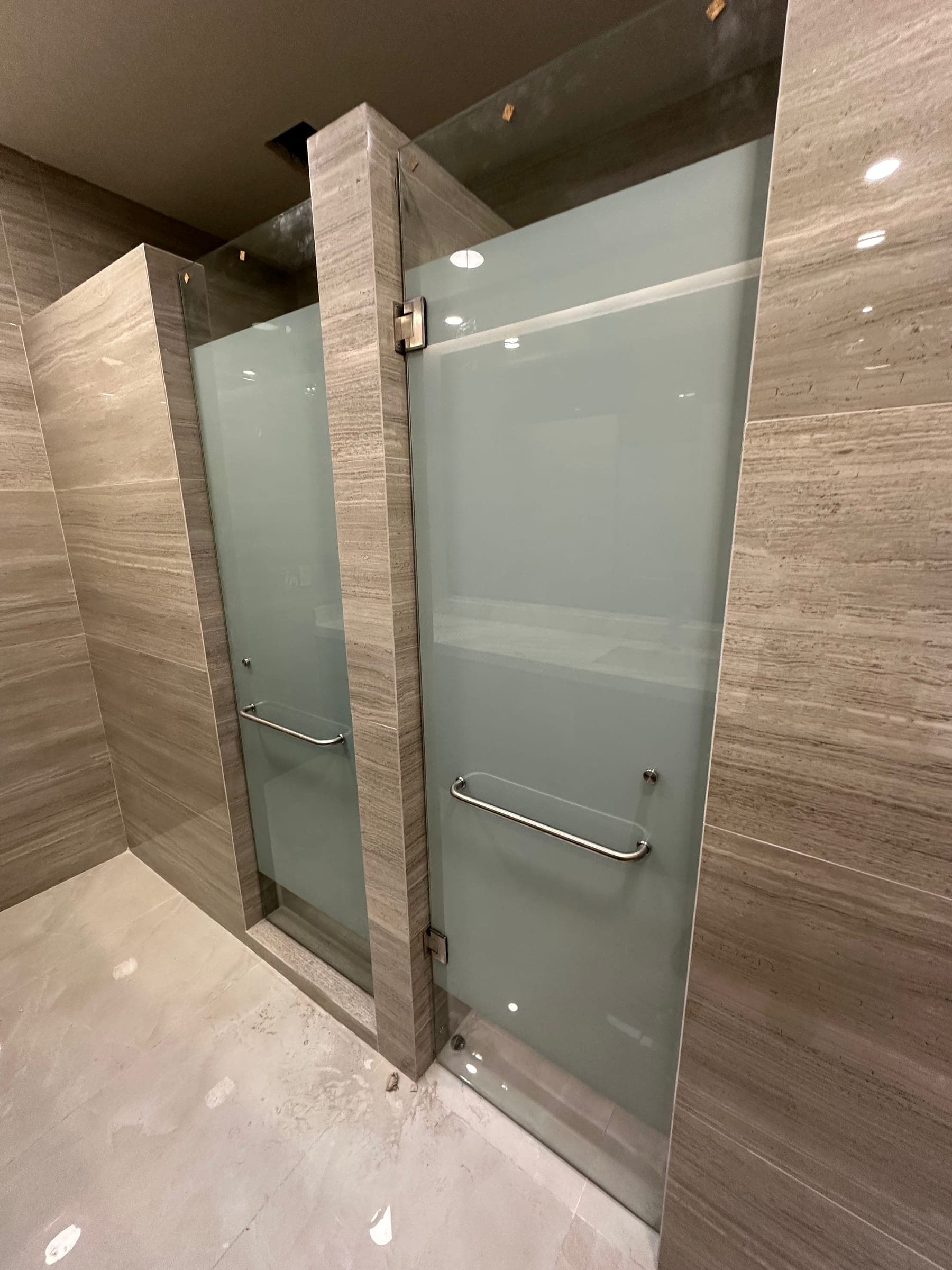
Shower enclosure glass is always tempered. That is not a preference; it is what prevents a serious injury.
Terrace or garden door
The hardest-working piece in the house: it opens dozens of times a day, carries a lot of weight and is the most vulnerable entry. In either material it should have:
- A stainless steel track and rollers sized for the real sash weight, not the series default.
- A multipoint lock, which secures the sash at several points instead of only in the middle.
- Safety glass, tempered or laminated. At floor level it is required.
By material:
- In aluminum: heavy sashes on a stainless track, in any color. Without a thermal break it is a lot of metal conducting heat and cold.
- In vinyl: it insulates well in the largest opening in the house. The sash carries steel reinforcement, so it is heavier and the profile is bulkier.
For a very wide opening or an air-conditioned house, a lift-and-slide door is worth it. Instead of sealing with brush like a slider, the sash lifts to slide and drops to seal against gaskets, like a hinged door:
How a lift-and-slide door works
Step 1Closed: the sash rests its full weight on the frame gaskets and compresses them. It seals like a casement, without the air path of a brush seal.
In vinyl we quote it with aluplast's Elevadora 70, which reaches 7.2 m (23 ft 7 in) wide with two sliding panels.
Stairs and double-height spaces
Tall fixed lites that never open. What matters is frame stiffness, so the glass doesn't flex in the wind, and safety glass.
- In aluminum: the slimmest frame, stiff without extra reinforcement.
- In vinyl: it insulates the largest pane and the hardest space to condition, but needs steel reinforcement all round and, on very large panes, transoms.
The side facing the street
Whatever the room or the material, any window facing a busy road deserves its own review: a sealed opening type, double glazing and, if the noise is heavy, a laminated pane. We cover it in detail in soundproof windows.
So which one?
After walking through the house, the decision usually comes down to this:
- Aluminum if large openings, slim profiles and color matter most, and the climate is mild or the house isn't air-conditioned all year. If it is, thermal break aluminum on the sunny sides.
- Vinyl if insulation matters most: bedrooms on busy roads, houses air-conditioned most of the year, west-facing facades. In exchange, you accept a wider profile and foil colors.
Colors and finishes
Aluminum takes practically any color in powder coat, and can also be anodized in clear, champagne, bronze or black. Anodizing resists scratches better; paint offers more colors.
Vinyl comes white, or with foils: a film that imitates wood or gives a gray or black color. Something few people know: on very sunny facades, dark foils heat the profile a lot, and vinyl manufacturers restrict their use or require extra reinforcement. If you want black windows on the west side, aluminum is the safer route.
Insect screens
They are usually forgotten until the first summer. Sliders take a sliding screen in their own track. Casements and tilt-and-turns open inward, so the screen goes outside, fixed or retractable. Awnings take a fixed screen inside. Decide it when quoting, because it changes the profile or the hardware.
New build or replacement
In a new build, decide the windows before the openings are finished, so each opening is left at the size the series needs and no packers are required. This matters most with vinyl, whose frame is wider.
In a replacement in an occupied house, the work depends on how the old frame was fixed. Normally it is removed completely, the new one is set plumb and level, and the perimeter is sealed and patched. It is done in stages, room by room, so the house is never left open. If you want to know what drives the price of a replacement, see window replacement cost.
The mistakes we see most
- Sliders in the bedroom facing the road. The most expensive mistake to fix later, in either material.
- Single glazing facing west. The frame cannot make up for glass that lets all the sun in.
- Forgetting the insect screen and having to add profiles afterward.
- Undersized rollers on large sliding doors: the door gets heavy and starts to stick within a few years.
- Dark vinyl foils facing west without checking the maker's limits.
- Thinking about cleaning last. A fixed lite on the second floor that can't be reached from inside or outside stays dirty forever.
How we can help
At VECA we fabricate aluminum and vinyl windows and doors at our plant in Santa Catarina, Monterrey, on series from Extrusiones Metálicas, Indalum, VEKA and aluplast, and install them with our own crews.
To get a quote, send us on WhatsApp or through the form the approximate size of each opening, photos or drawings, and which way each facade faces. If you haven't settled on a material yet, we will quote the house in both aluminum and vinyl, on the same openings, so you can compare.