
November 4, 2026 · 5 min read
Sourcing windows and curtain wall from Monterrey for a US project
What to check before buying aluminum windows or curtain wall from a Monterrey fabricator for a US project: freight through Laredo, USMCA, tariffs and testing.
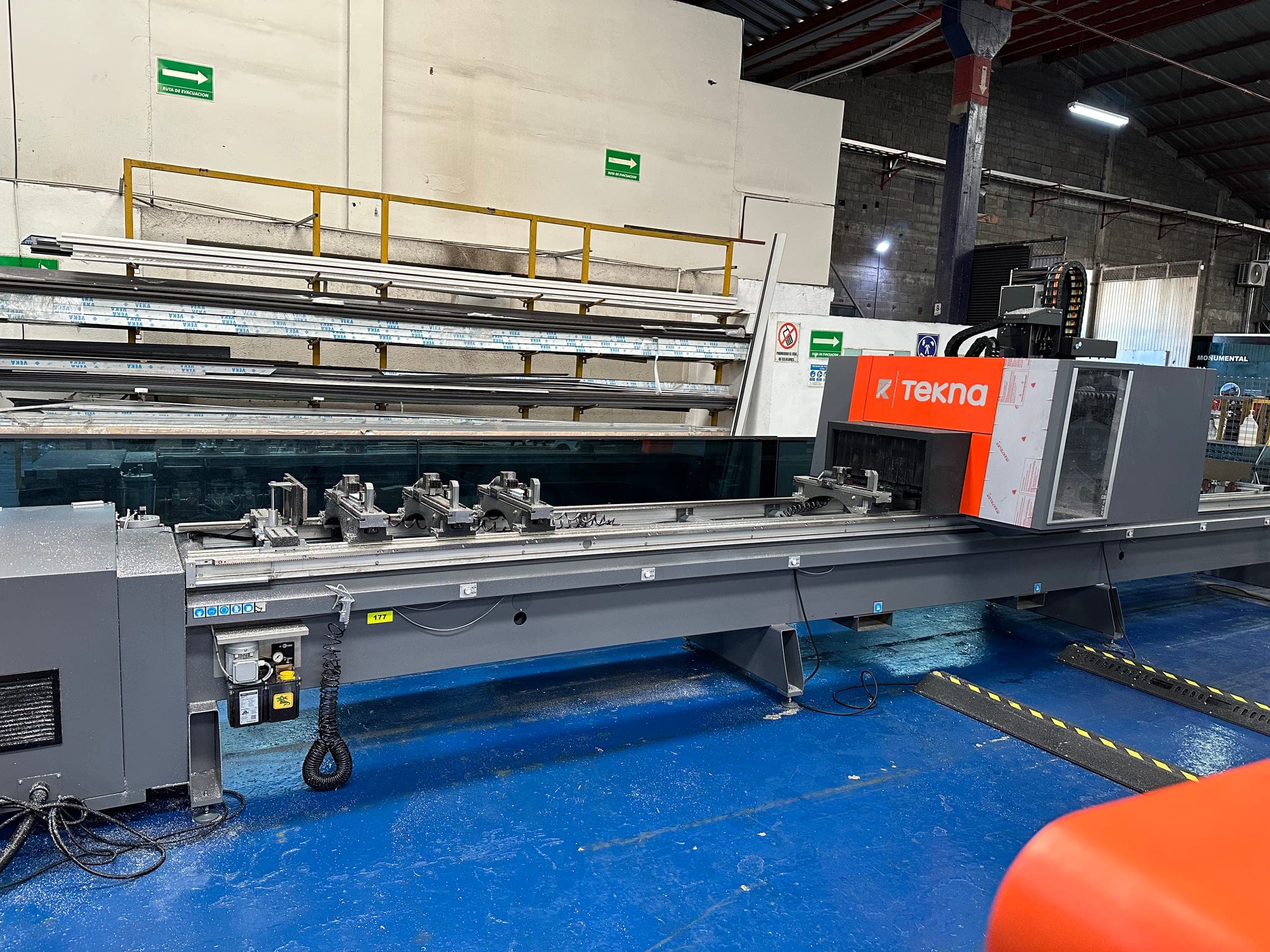
Monterrey is one of the largest aluminum fabrication centers in Mexico, and it sits a short drive from the Texas border. For a developer or contractor in Texas, that makes a Mexican fabricator a realistic option for windows, storefront and curtain wall. The fabrication itself is rarely the hard part. What decides whether the job goes well is how the product gets tested, how it is shipped and how it is priced across the border.
This guide covers those points, and ends with the questions worth asking any Mexican supplier, including us.
Why Monterrey
- Distance. Monterrey is about 230 km (140 miles) from Laredo, the busiest land port on the US–Mexico border for trade. A truck leaving a plant in the morning can be at the border the same day.
- Supply chain. Several of Mexico's main aluminum extruders, glass processors and hardware distributors have plants or warehouses in the metro area, so profile, glass and hardware rarely travel far before fabrication.
- Same working day. Monterrey stays on UTC−6 all year. That is the same as Texas in winter and one hour behind it while the US is on daylight saving time, so project calls and site coordination happen within normal hours on both sides.
Testing and codes come first
This is where projects go wrong, so settle it before anything else.
Mexican aluminum series are usually tested to European standards. Our extruders publish air, water and wind classes under UNE-EN 12207, 12208 and 12210, and thermal values in W/m²K. Those results are real, but they are not the same tests a US building official expects. Depending on the project, you may need:
- NAFS (AAMA/WDMA/CSA 101/I.S.2/A440) performance class and grade for windows and doors.
- NFRC ratings, U-factor and SHGC, to show energy code compliance.
- ASTM E283, E331 and E330 test reports for curtain wall and storefront, often with a project-specific mock-up.
- Texas Department of Insurance windstorm approval in the 14 coastal counties and part of Harris County, where windows and doors have to meet the state's windstorm requirements.
A European Uf of 2.8 W/m²K converts to about U-0.49 in Btu/h·ft²·°F, but a frame-only value is not comparable with an NFRC whole-window U-factor. Ask for the test reports behind every number, and ask which US standard each one was tested to. If a product has not been tested to what your jurisdiction requires, the cost and time of testing belong in the price comparison.
Freight and customs
Windows and curtain wall units normally cross by truck. The usual pattern:
- The Mexican fabricator's customs broker files the export declaration (pedimento).
- The load crosses at Laredo or at the Colombia bridge, which is in Nuevo León itself.
- A US customs broker clears it for the importer of record, usually the buyer or its contractor.
Agree in writing who is the importer of record, who pays each broker and which Incoterm applies. Crated glazed units need racks or A-frames that survive a trailer transfer at the border; ask how the units are packed and who bears the risk until they are on site.
Tariffs: check the current rate
Aluminum windows, doors and their frames are classified under heading 7610 of the Harmonized Tariff Schedule. Goods that meet the USMCA rules of origin can enter the US without the ordinary duty, but aluminum and aluminum products have also been subject to separate Section 232 measures in recent years, which have applied to Mexican goods regardless of USMCA.
These rules have changed several times and can change again during a project. Have your customs broker confirm the classification and the rate that applies on the expected import date before you compare a Mexican price with a US one.
Units and drawings
Mexican fabricators work in millimeters. Shop drawings, cut lists and glass orders are metric, and imperial dimensions are converted. Specify in the contract which set of dimensions governs, and check rough openings in both units on the first submittal. On our series pages, the English version shows each figure in millimeters with the inch equivalent beside it.
Questions to ask any Mexican supplier
- Which US standards has this series been tested to, and can I see the reports?
- Do you have NFRC ratings for the configurations on my project?
- Is the project inside the Texas windstorm area, and how will compliance be shown?
- Who is the importer of record, and which Incoterm are you quoting?
- What is included: fabrication only, or delivery and installation too?
- In what currency are you quoting, and how long does the price hold?
- How are glazed units packed for the border crossing?
- Who on your team handles the project in English?
Working with VECA
We fabricate aluminum and vinyl windows, curtain wall and processed glass at our own plant in Santa Catarina, Monterrey, on series from Extrusiones Metálicas, Indalum, Exlabesa, VEKA and aluplast. Every series page lists the manufacturer's published performance data, with US units beside the metric figures, and the profile drawings and configurations come from the same quoting system we price with.
We answer in English and Spanish on WhatsApp, by phone and by email. If you are weighing a project, send us the drawings and tell us where it is: we will tell you plainly which of the points above are already covered for the series that fits it, and which would still need to be resolved.